





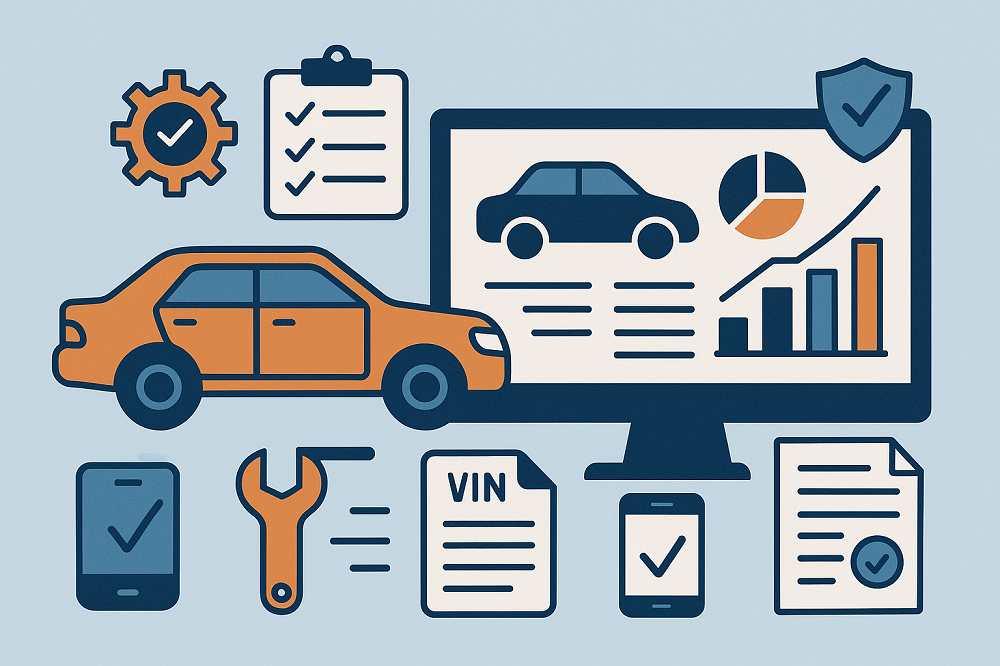
Managing fleets, workshops, and automotive service operations is no longer just about recording mileage or logging basic service jobs. Vehicles are increasingly digital, regulations are tightening, and compliance requirements demand robust systems. For these reasons, businesses are turning to EAM CMMS software to keep assets efficient, compliant, and profitable.
This article explores what automotive managers should look for in 2025 when investing in the right maintenance and asset management platform.
Which Software Fits Your Operation?
CMMS: A Foundation for Maintenance
Computerised Maintenance Management Systems (CMMS) are built for task-focused operations. In an automotive setting, this means:
- Scheduling preventive maintenance
- Managing repair work orders
- Tracking spares and consumables
- Recording technician activity
For single-site workshops or small fleets, CMMS provides enough structure to eliminate spreadsheets and reduce downtime.
EAM: Expanding the View
Enterprise Asset Management (EAM) systems extend far beyond maintenance. For large logistics fleets, dealership groups, or multi-site repair networks, EAM incorporates:
- Full asset lifecycle costing
- Multi-site governance and benchmarking
- Project and capital planning
- Risk and compliance management
Put simply, CMMS ensures the wheels keep turning. EAM manages every kilometre of the journey, from purchase to resale.
Features That Are Non-Negotiable in 2025
When evaluating EAM CMMS software for automotive use, prioritise these essentials:
- Preventive maintenance scheduling by mileage, hours, or condition
- Comprehensive asset registry including VIN-based vehicle tracking and non-vehicle assets
- Parts and inventory control for tyres, filters, oils, and specialist equipment
- Mobile-first access so mechanics and drivers update in real time
- Audit-ready reporting for safety inspections, emissions compliance, and warranty claims
Enterprise-Level Requirements
For businesses managing hundreds of vehicles or multiple service locations, a system should deliver:
- Lifecycle cost visibility for each vehicle
- Standardised governance across all depots
- Integration of capital projects and major upgrades
- Risk tracking and SLA monitoring
These capabilities are what elevate a CMMS into a true EAM solution.
Integration Checklist for Automotive Operations
The real power of asset management software lies in integration. Key connections include:
- ERP/Finance: sync costs, warranties, and depreciation values
- IoT and telematics: feed in real-time fleet data such as fuel consumption and engine hours
- Identity and security systems: enable secure mobile access for technicians
- Analytics platforms: unify fleet, workshop, and financial data for better decisions
Deployment Models to Consider
Automotive operations differ widely, so flexibility matters:
- SaaS (OnDemand): Quick to deploy, subscription-based, ideal for smaller fleets and workshops
- Hybrid: Balance scalability with in-house control for regional service networks
- On-Premise: Suitable for government fleets or operations requiring strict local data residency
Security and Compliance
In a regulated industry like automotive, non-negotiables include
- Alignment with ISO 55000 asset management standards
- Complete data and audit trails for every maintenance activity
- Proven compliance with local data residency rules
Return on Investment
An effective EAM CMMS software deployment creates measurable value:
- Reduced downtime from predictive maintenance
- Optimised spare parts inventory
- Increased technician wrench-time
- Improved fuel efficiency through timely servicing
- Avoidance of compliance fines
- Higher asset resale values due to service history integrity
How Mainpac Aligns to This Checklist
Mainpac’s portfolio offers modular solutions designed for automotive operations of all sizes:
- EAM: For lifecycle governance, multi-site fleets, and complex operations
- EAM AI: Predictive insights powered by machine learning
- OnDemand: SaaS deployment for rapid implementation
- Mobility: Mobile-first applications for technicians and drivers
Industry Proof Points
- Logistics fleets reducing roadside breakdowns by over 20%
- Dealerships standardising service quality across multiple workshops
- Government fleets ensuring full compliance and reporting transparency
Frequently Asked Questions
What is the difference between EAM and CMMS software licensing?
CMMS licensing is usually user-based, while EAM often scales across the enterprise with broader modules.
Can I begin with CMMS and add EAM later?
Yes. Many automotive operators adopt CMMS first, then expand to EAM modules as complexity increases.
How long does integration typically take?
Workshops and small fleets may complete integration in under six weeks. Large fleet organisations should expect three to six months depending on data preparation.
What legacy data should be migrated?
At minimum, asset registries, vehicle VINs, service history, spare parts stock, and user roles.
Closing Thoughts
For automotive businesses, 2025 is the year to move beyond spreadsheets and siloed systems. Choosing the right EAM CMMS software ensures assets are maintained, costs are visible, and compliance is never in doubt.